Don Giovanni
W.A. Mozart
Theater Dortmund
Staatstheater Braunschweg
“a highly entertaining production, full of ideas and with truly great timing (…)
A very enjoyable opera evening.”
WDR
“The eternal seducer – out of his time, no longer needed. And yet, impossible to get rid of? Ilaria Lanzino stages an intelligent and humorous Don Giovanni in Dortmund.
She cleverly explores the motivations of the characters. (…) This is highly compelling, often humorous, and still gives the singers room to delve into their arias beyond the comedic recitatives.”
Oper! Magazin
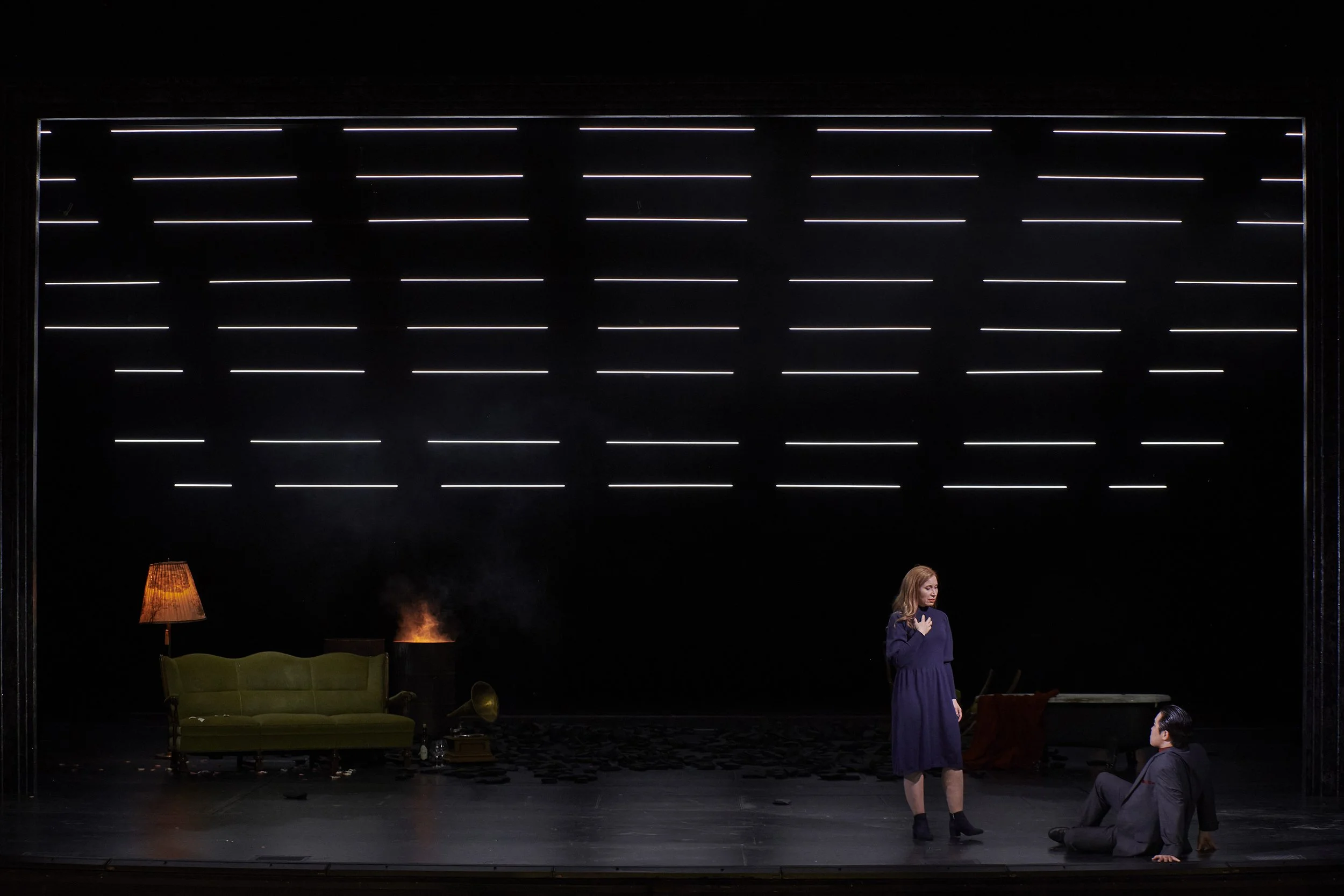
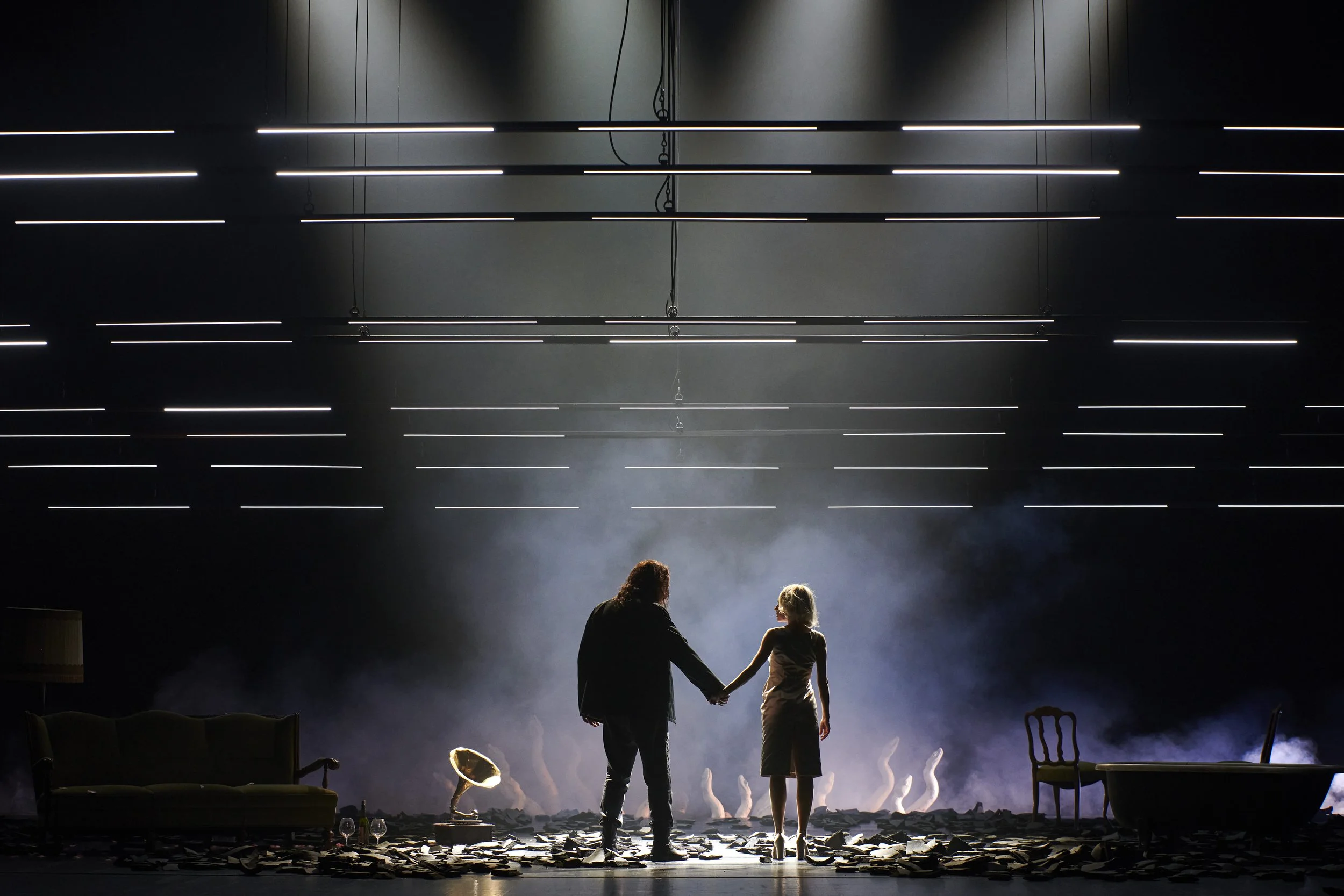
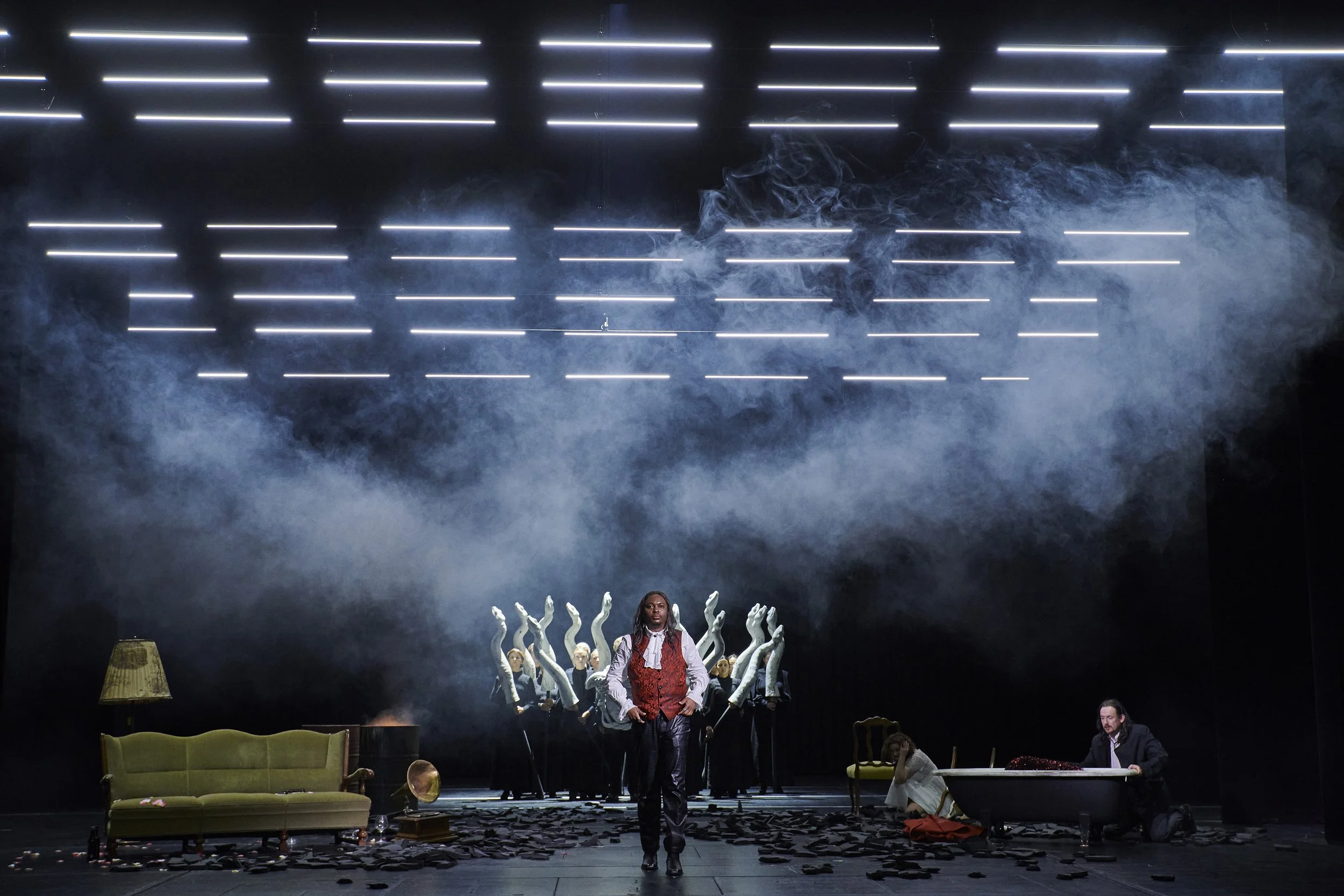
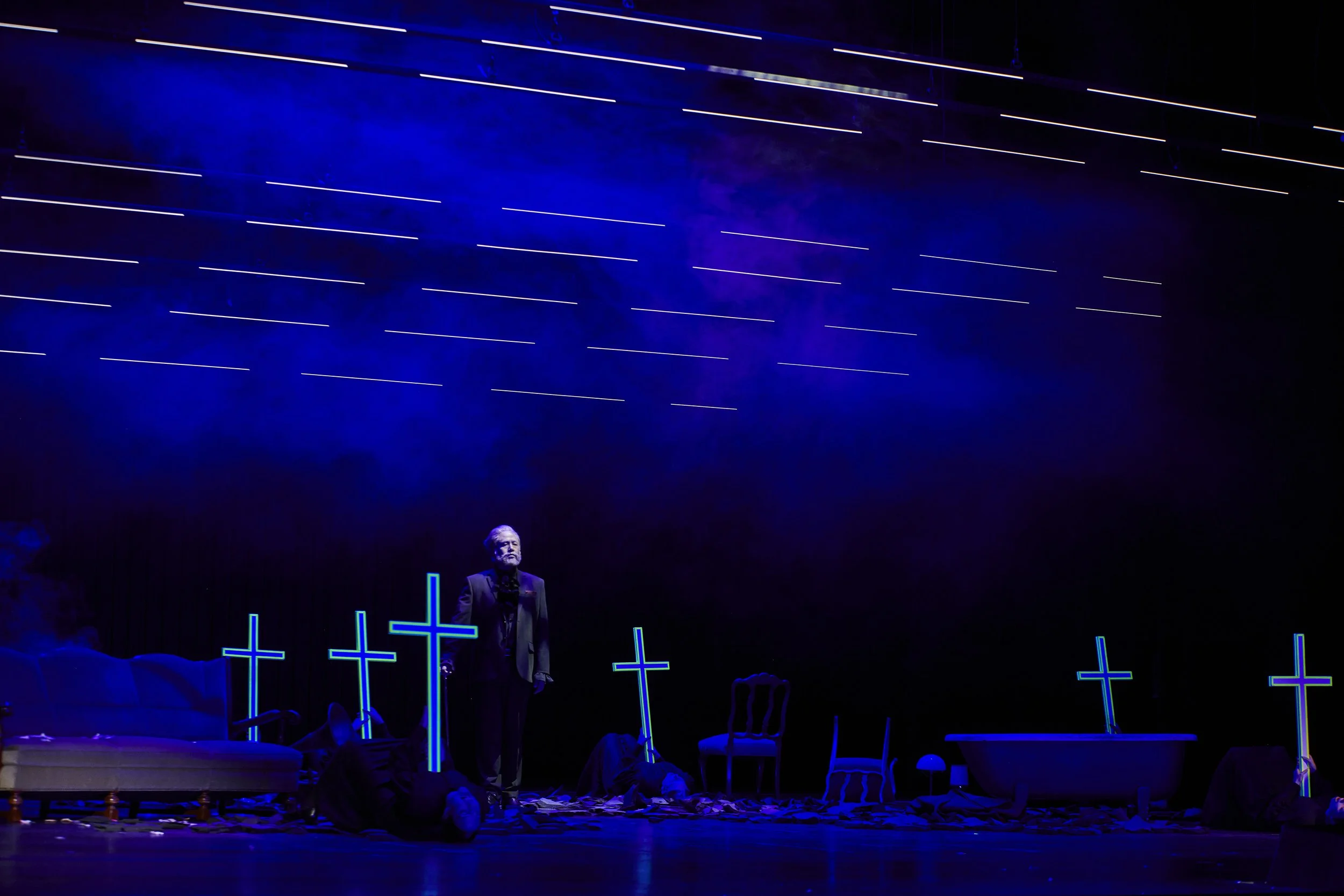
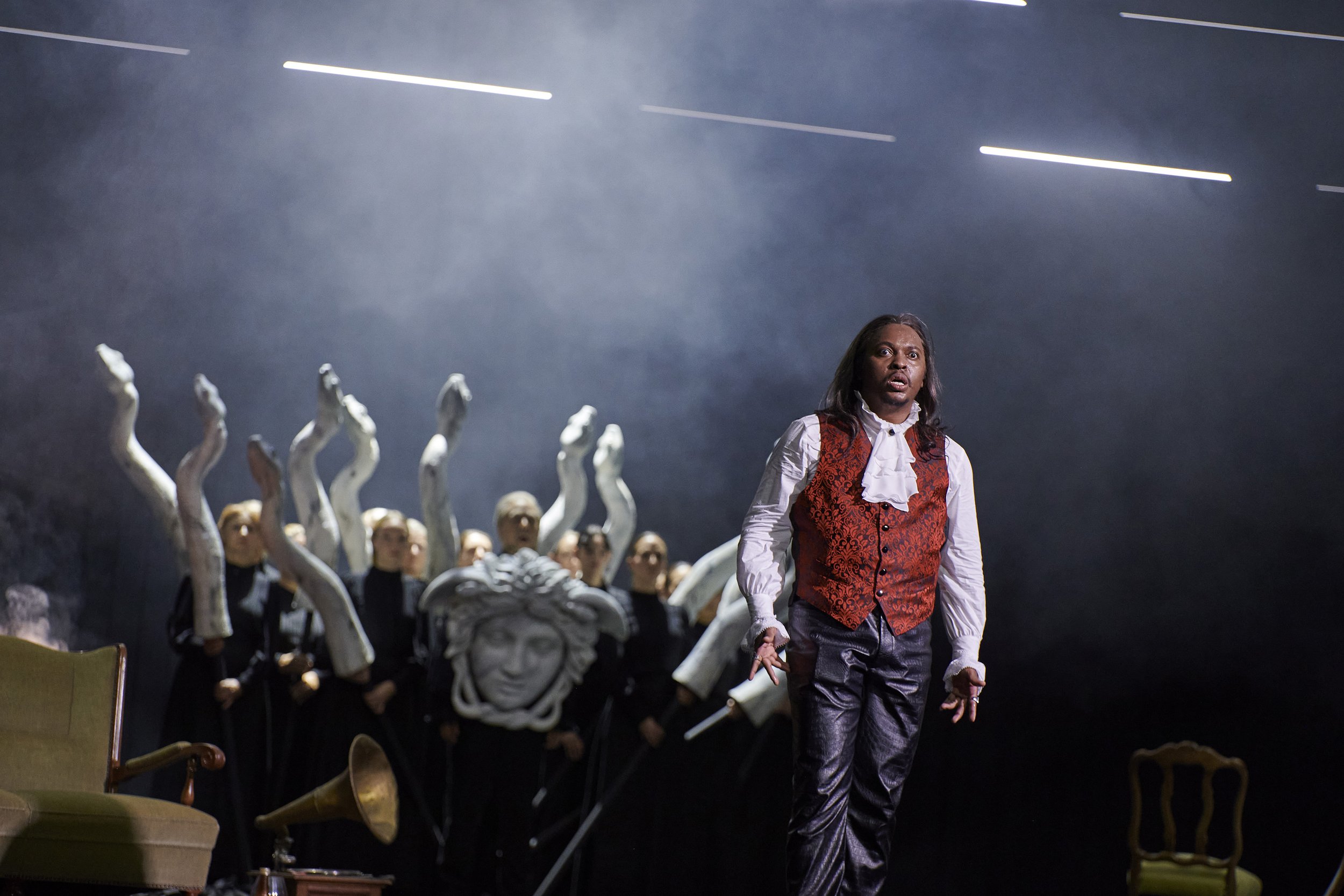
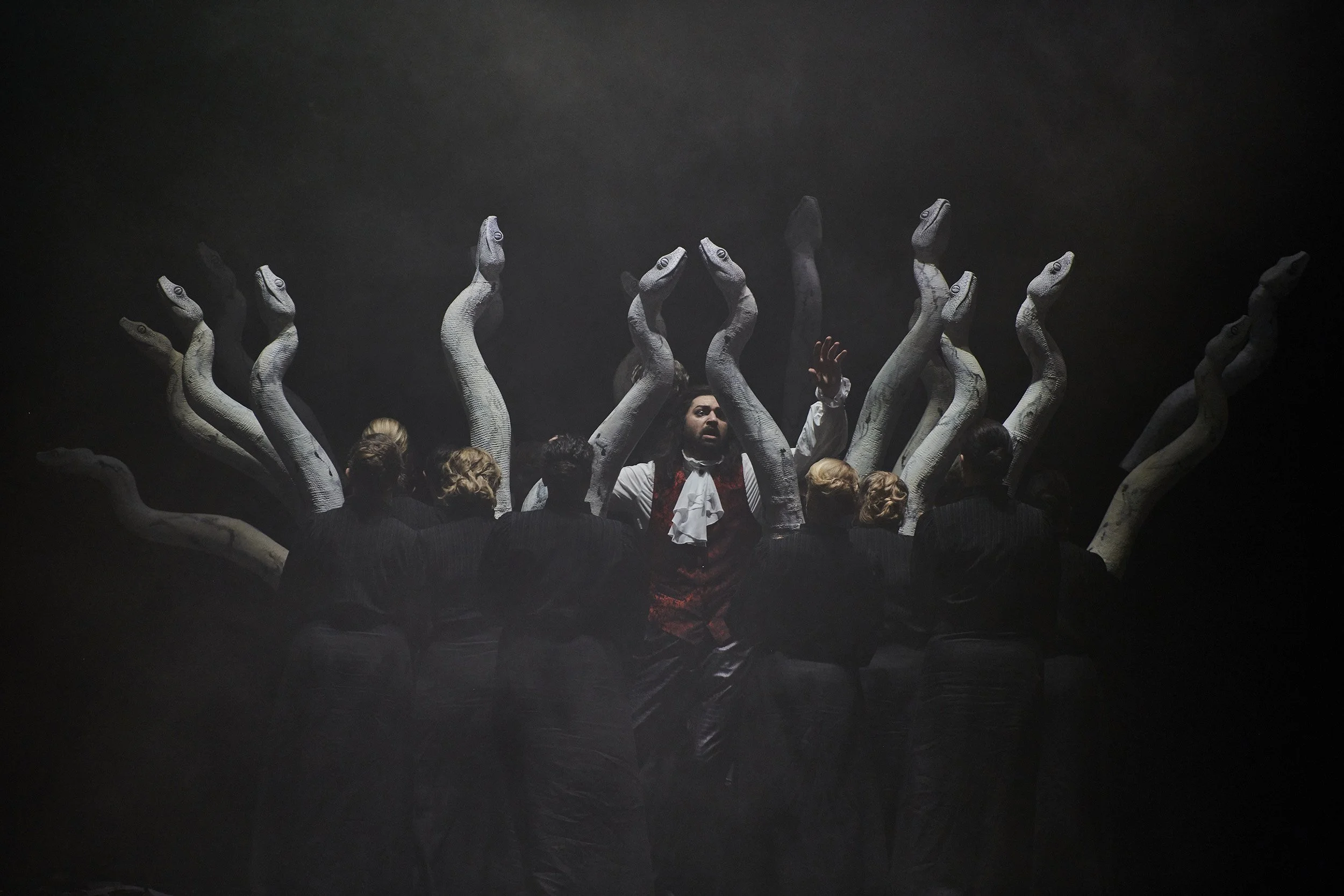
„In the end, the Commendatore, wreathed as a Medusa figure taking feminist revenge, drags him down to hell. Above all, the women look thoughtfully after him from a field of rubble. After the series of sinful episodes, which had unfolded convincingly up to that point, this is a strong scene. A feminist approach to the piece seems a natural fit today, since it can be read that way anyway.“
Holger Noltze, Van Magazine
“The macho and the strong women. In Dortmund’s Don Giovanni, director Ilaria Lanzino tells gripping female stories. (…)
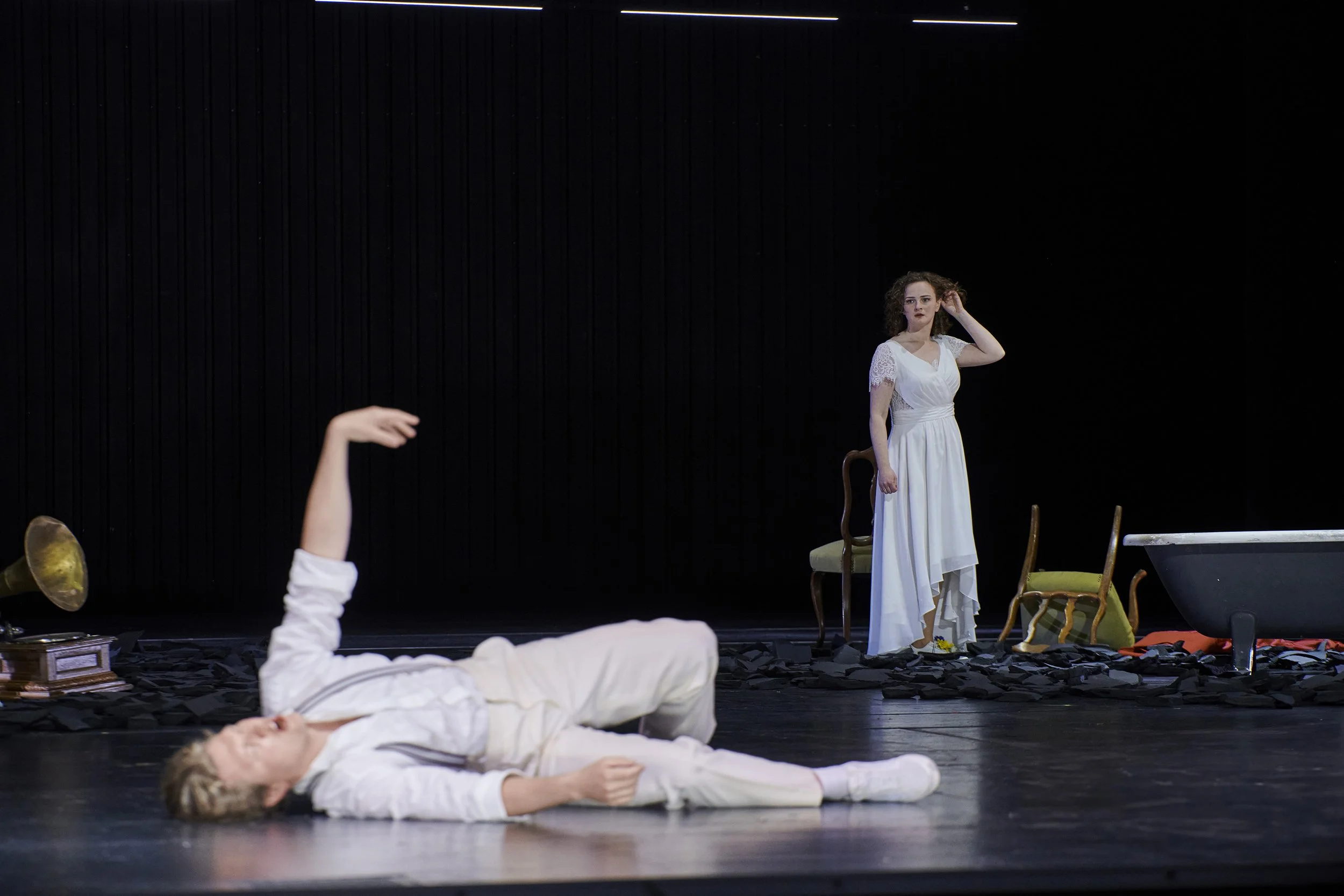
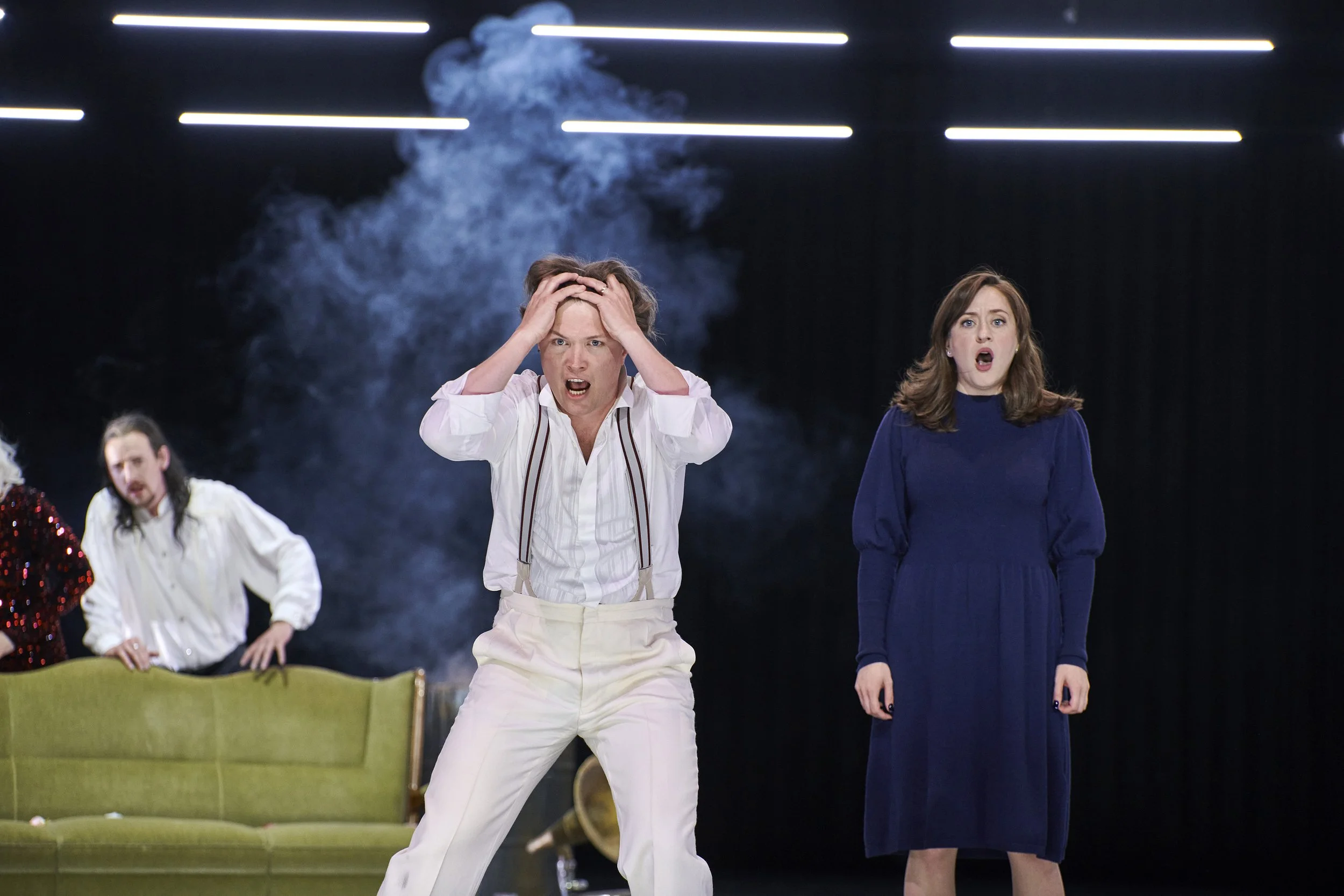
It is also beautifully staged how Lanzino portrays Donna Anna’s journey over an extended period, from her father’s funeral through her pregnancy to her appearance in the second act with a baby stroller and baby.”
Theater Pur
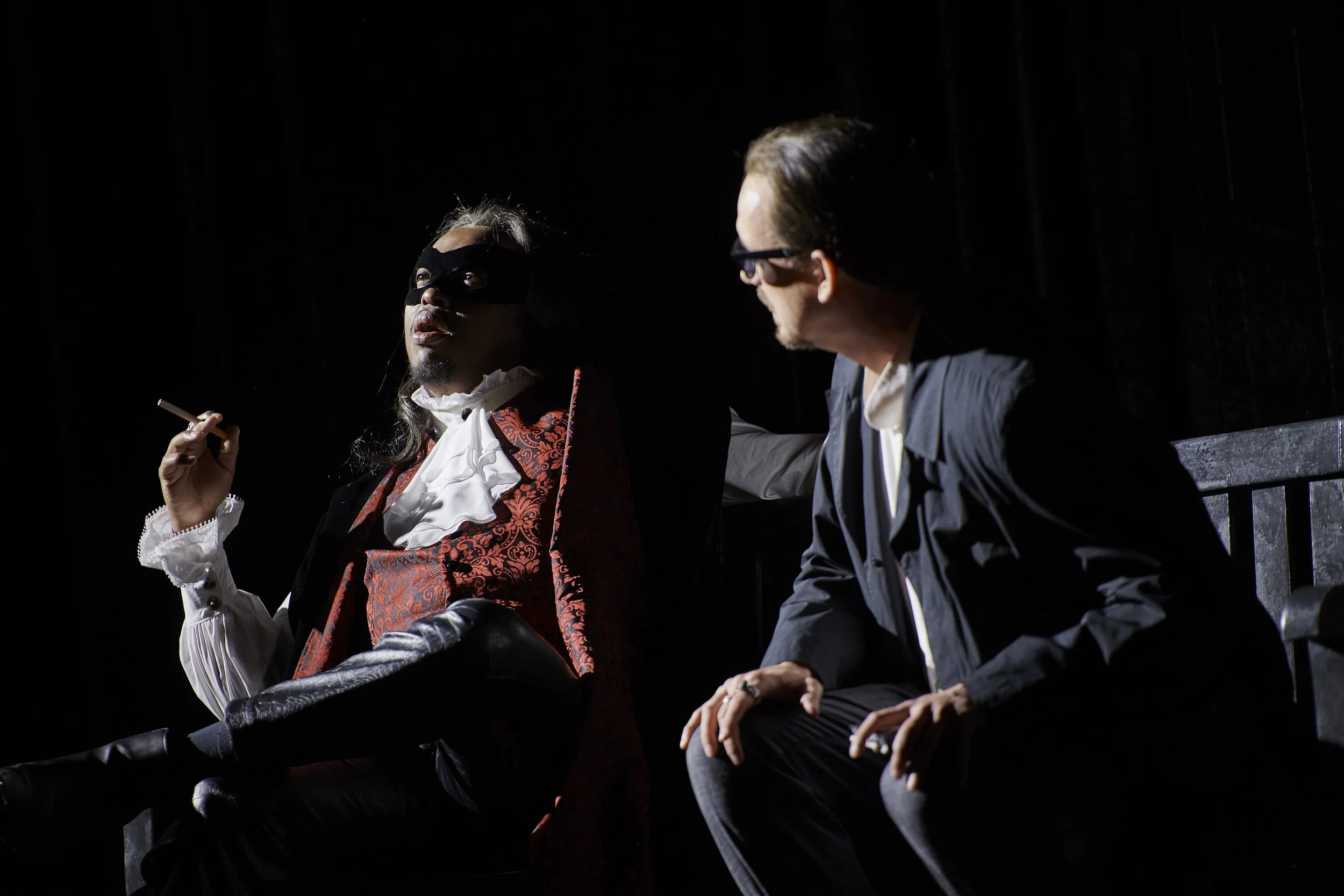
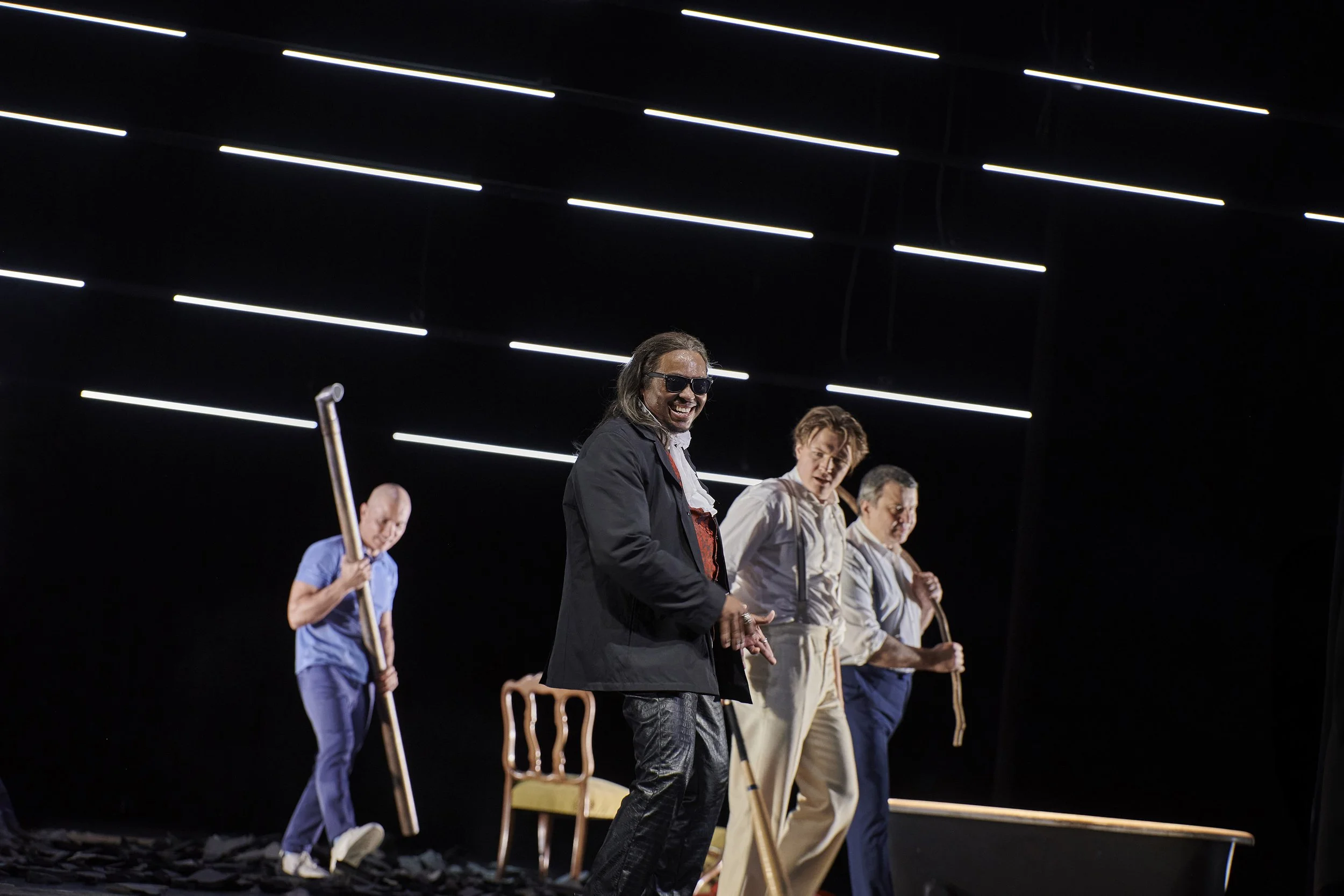
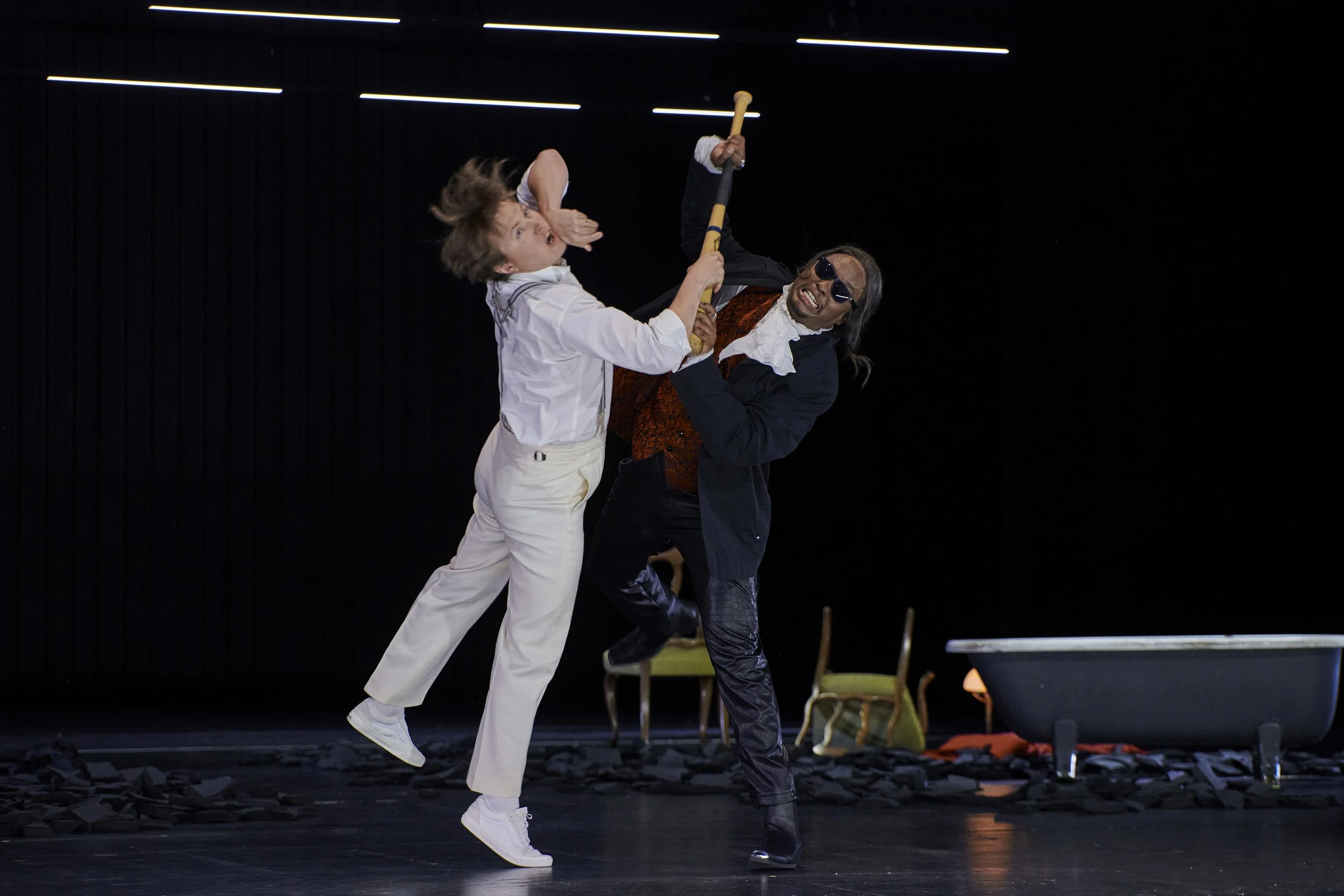
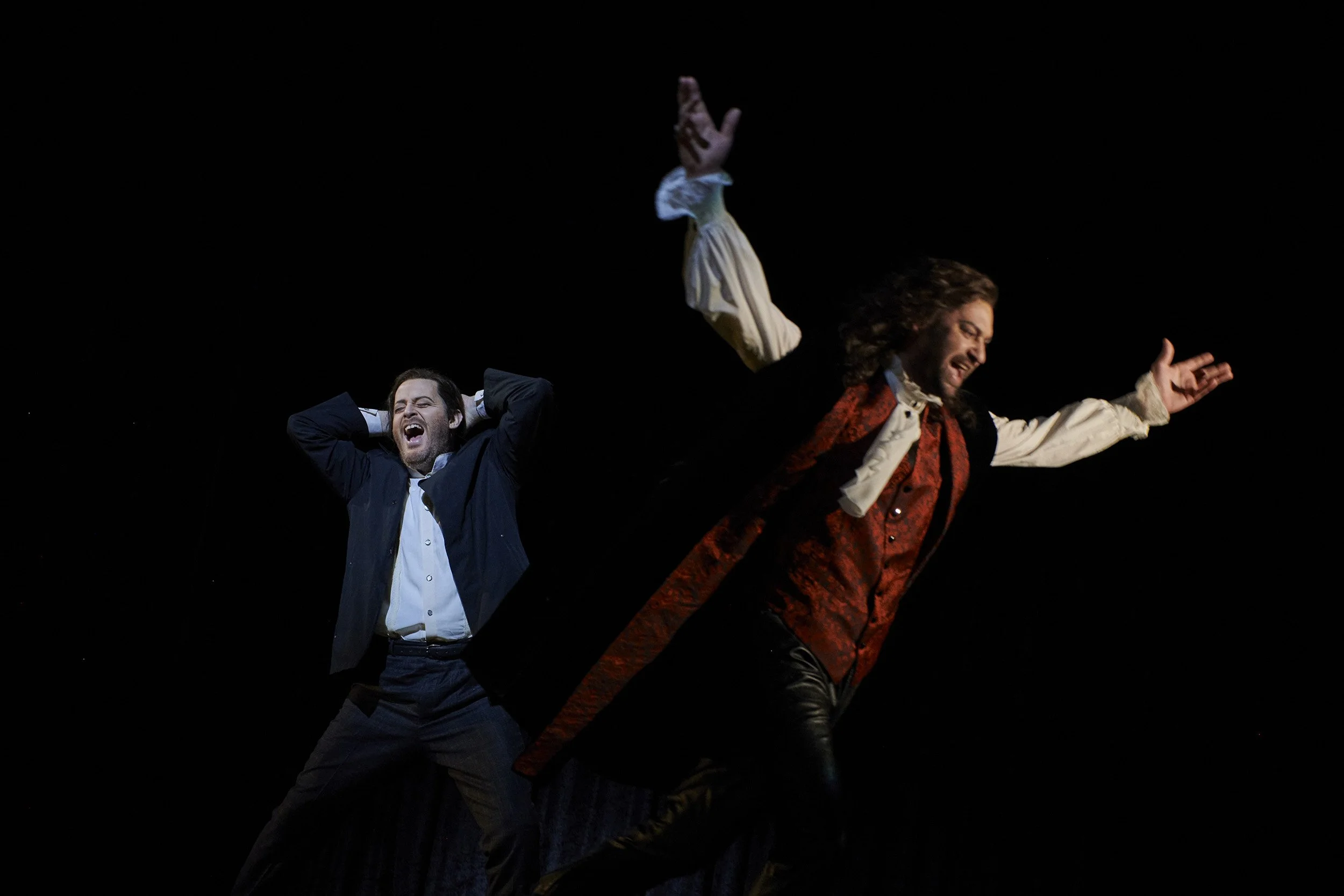
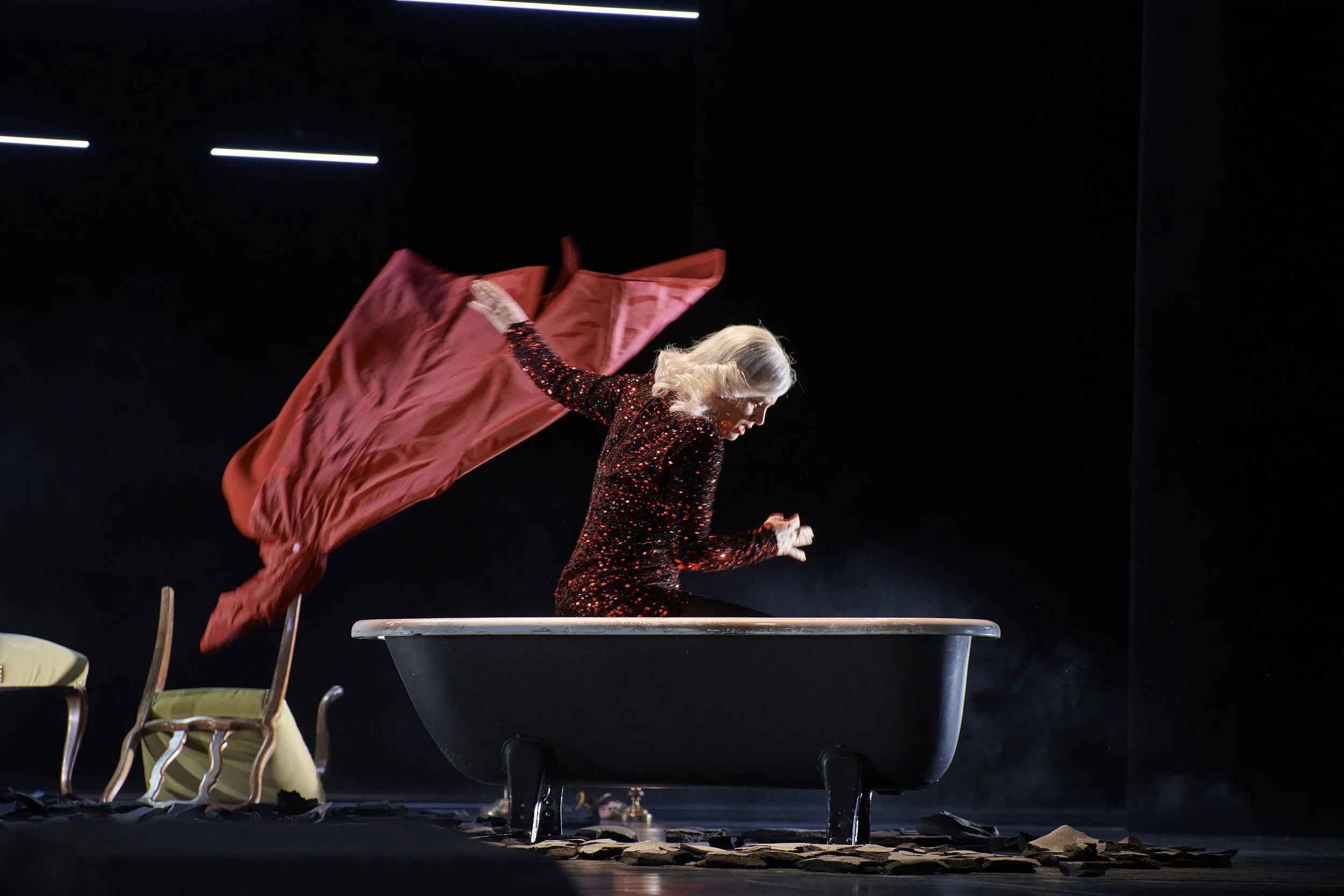
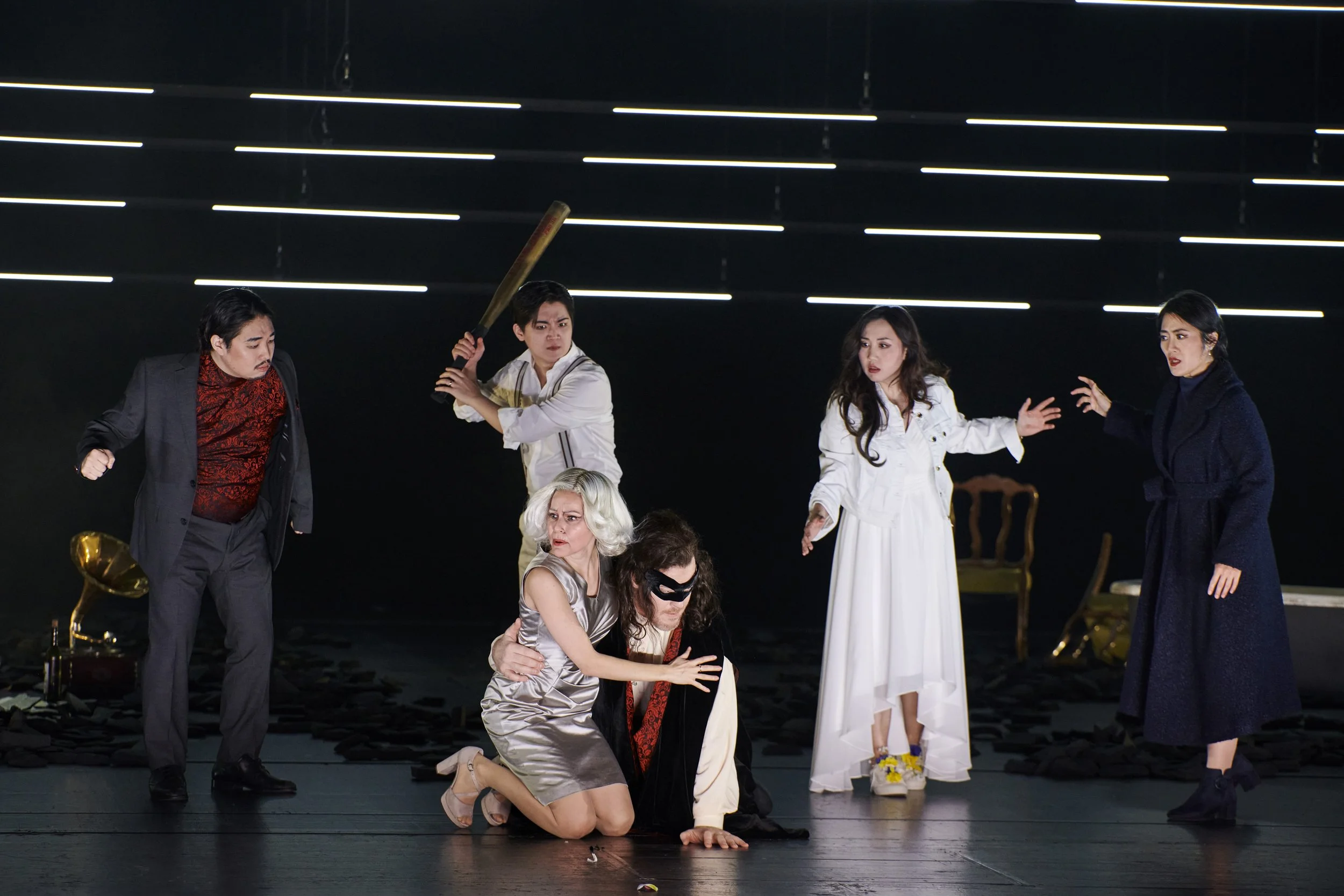
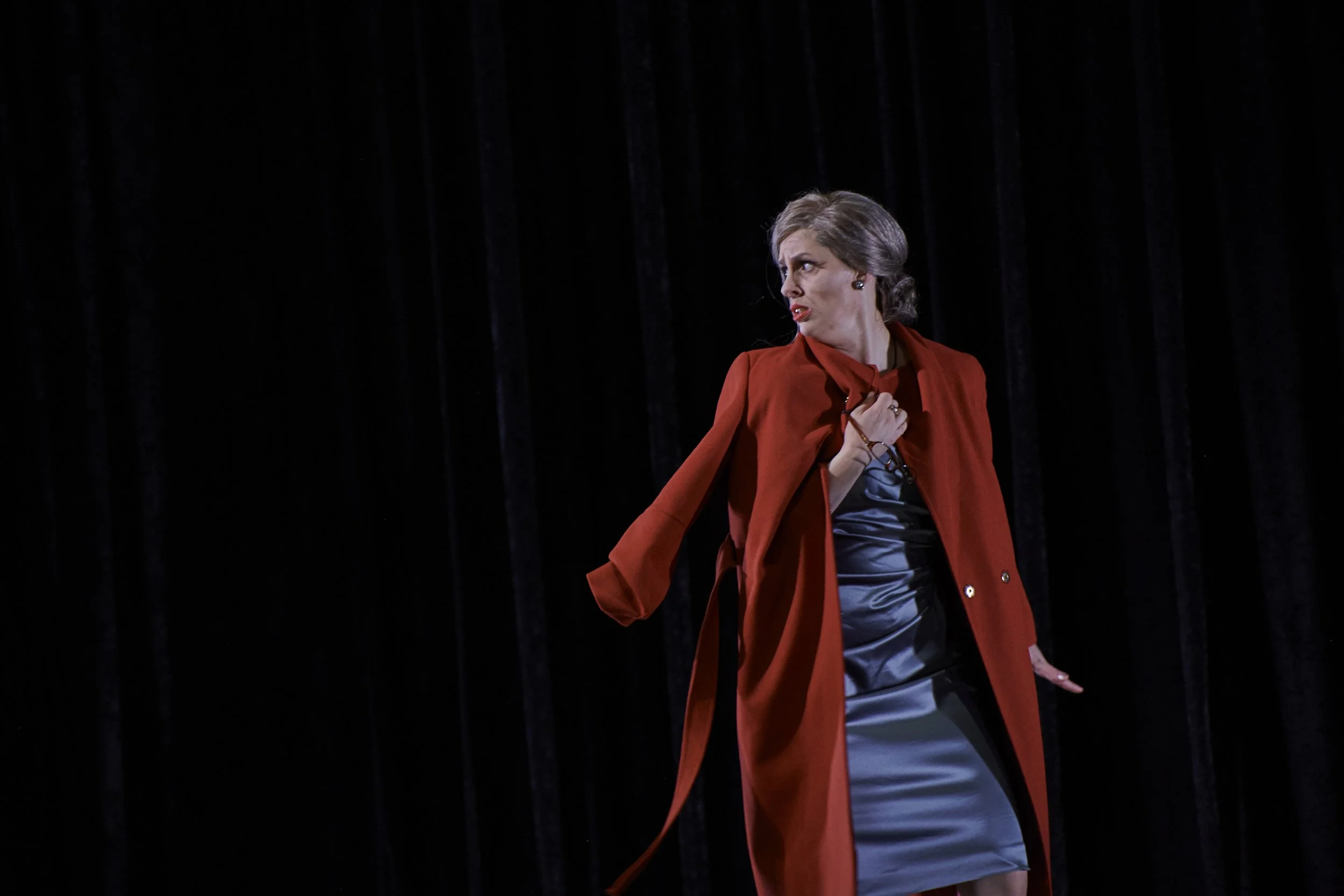
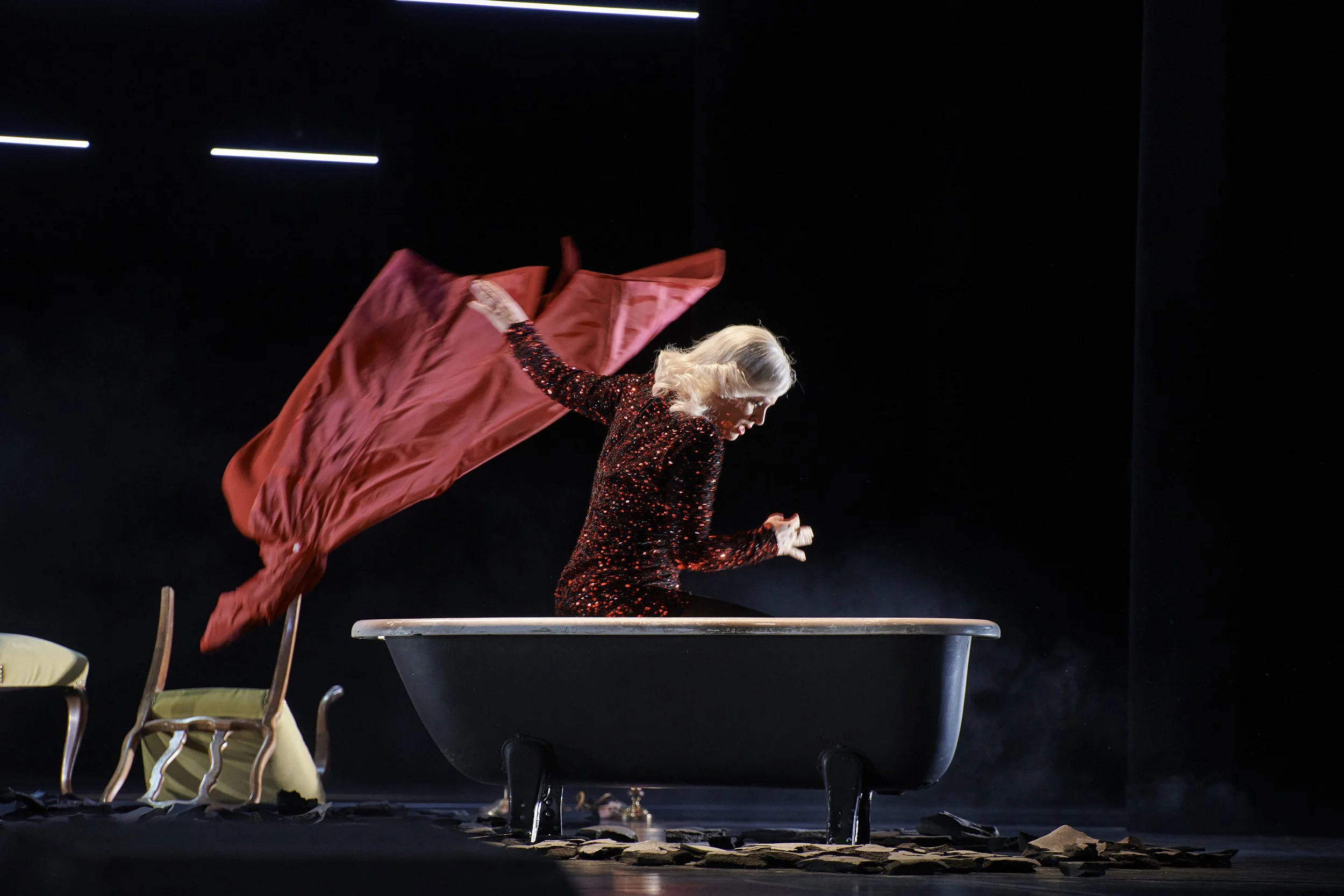
“A very honest production.(…) Giovanni is a revenant: in a red doublet, chest cloth, and fluttering cape, this Don Giovanni appears like a toxic idol—an image of once-glorious masculinity that today’s men admire in their dollhouse worlds, while he sucks the blood out of new relationships like a vampire. If this Giovanni had Donald Trump’s hairstyle or the corpulence of Depardieu, we would immediately know what we are dealing with. The director deliberately avoids such visual simplification and instead explores how the fascination of a libertine actually works. (…) Donna Elvira is interestingly staged as a more mature woman who optimizes herself in the bathroom for erotic adventures. In her insatiability, she almost takes on Giovanni-like traits; Leporello’s catalogue aria of Don Giovanni’s conquests is even deliberately reinterpreted as a list of her successes. Of course, there is also sexual abuse of men by women, but Elvira’s tragedy here seems rather to be that she can no longer get anyone. That changes when she meets Leporello, Giovanni’s servant, who likes to adopt his master’s poses. At some point he himself finds this mimicry ridiculous, and she does not mind at all that the servant is clearly recognizable beneath the cape. In the end, the director lets them look into the abyss together as a new, equal couple—the abyss into which Giovanni has been dragged by the snakes of Medusa’s head. The others remain alone; the dollhouse settings are reduced to fragments, old certainties are shattered, and a new lack of clarity prevails, one that is hopefully more honest and freer. This convinces, and the dark, magical images of the production will not fail to have an effect. Vehement applause.”
Braunschweiger Zeitung
“Modernising an opera without disfiguring it to the point where nothing remains recognisable beyond the music is quite a challenge. Ilaria Lanzino and her creative team have navigated this fine line brilliantly in their production. The result is a Gesamtkunstwerk that is aesthetically appealing, varied throughout the duration of the performance, and at the same time highly coherent in itself. All of this still has much to say to us today, and with the help of set design and costume, the creative team transports the action into the present with apparent effortlessness, without ever resorting to heavy-handed moralising. An outstanding production and a first-class cast make this Don Giovanni a true highlight — not least for opera newcomers. The audience responded with rapturous applause.
Rating: 10 out of 10 stars!“
Unddasleben - Kultur Blog
“A declaration of war on the patriarchy. Director Ilaria Lanzino stages a feminist Don Giovanni. In the opera’s finale, she confronts the seducer with the mythological figure of Medusa—a dramaturgically very interesting idea. Medusa was once a beautiful woman who was raped by the god Poseidon. His wife, the goddess Athena, misunderstood the situation and, out of jealousy, transformed her into a monster that turns people to stone. (…) There were clear cries of ‘bravo’ from women, but also a few quiet boos from men. Of course, a production does not have to please everyone. But in this moment there was the chance to show that the dramaturgical declaration of war on the patriarchy had been understood and supported. Ilaria Lanzino’s view of the work is simply too realistic in a world in which theater is often used as an escape from reality.”
CultureColours
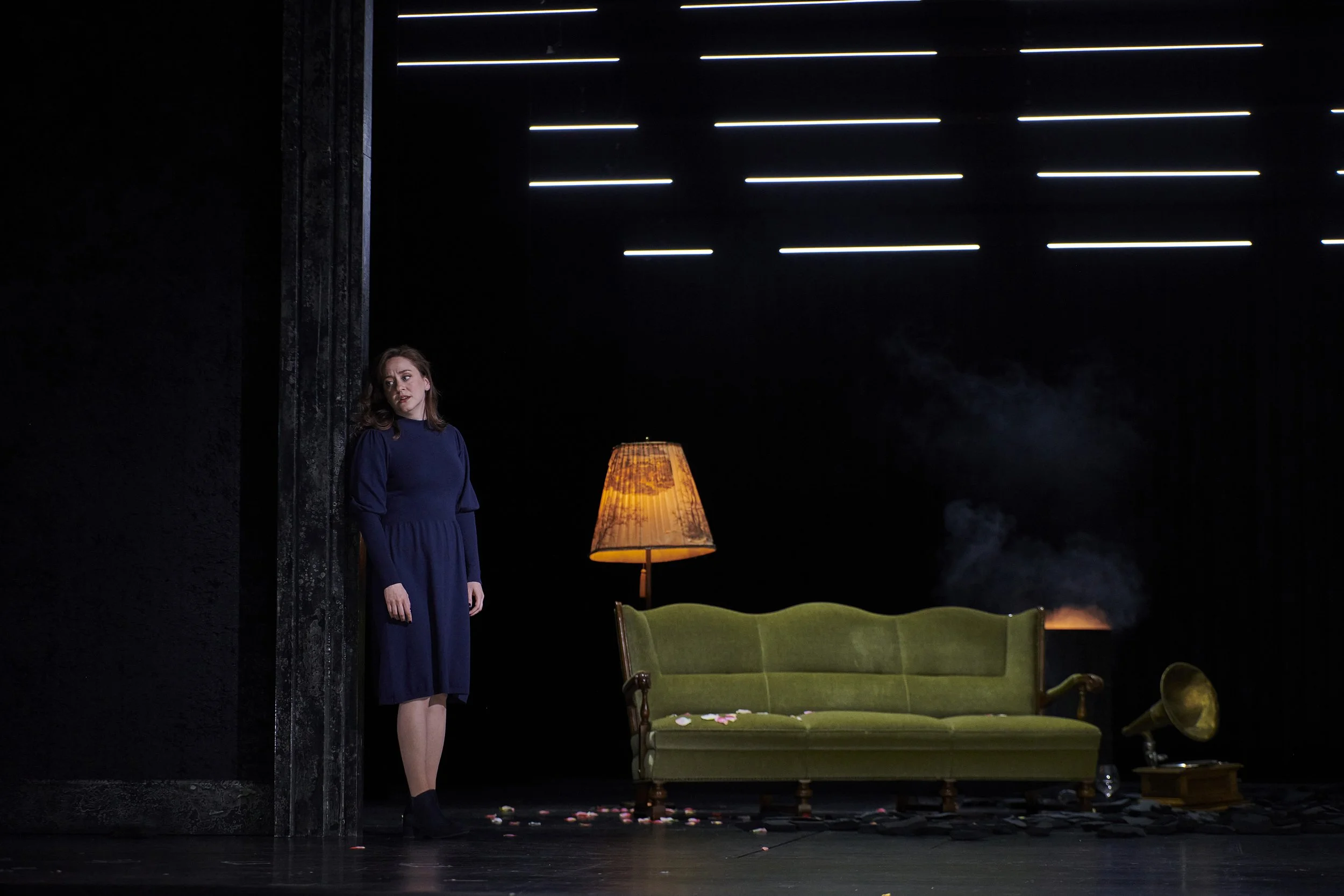
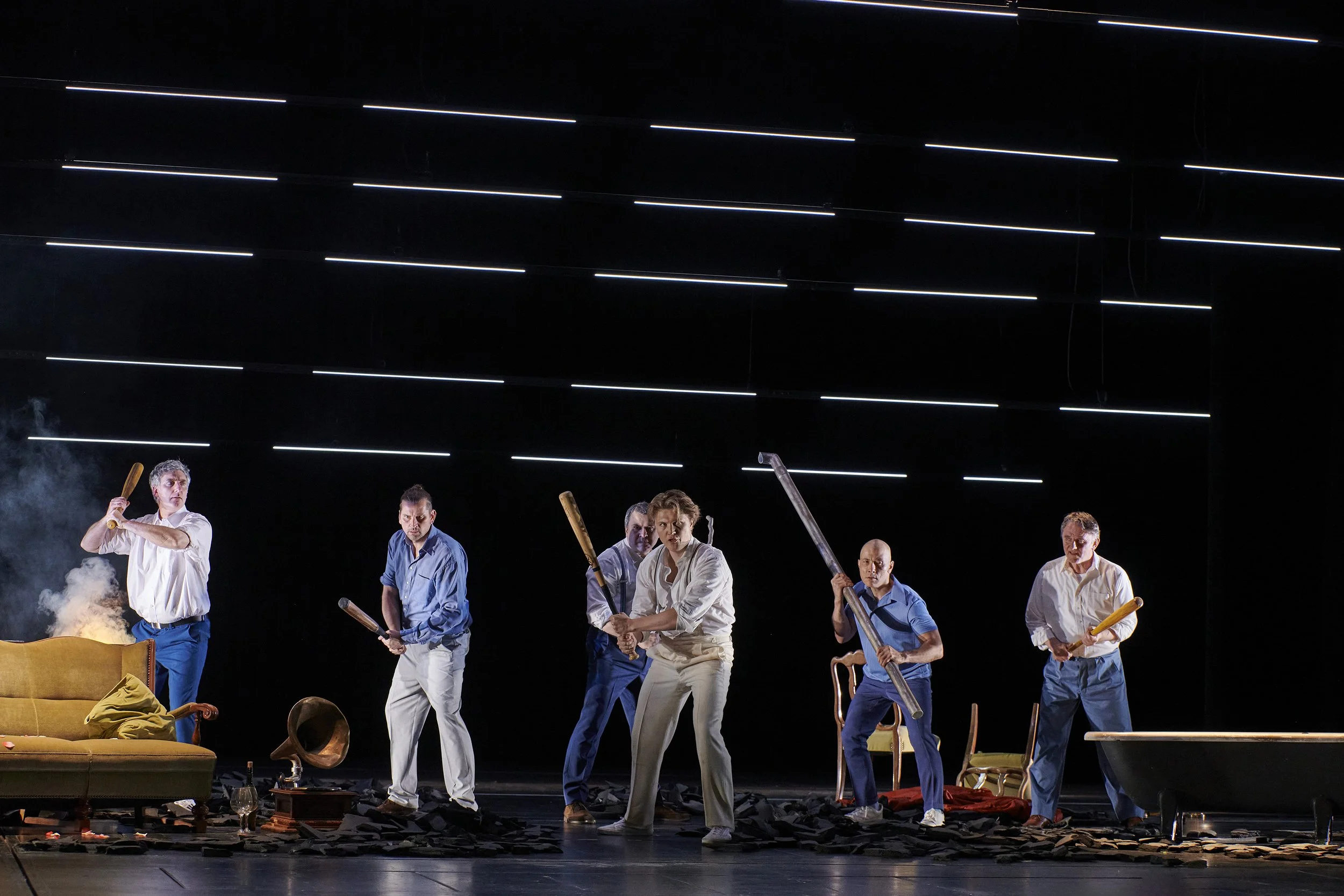
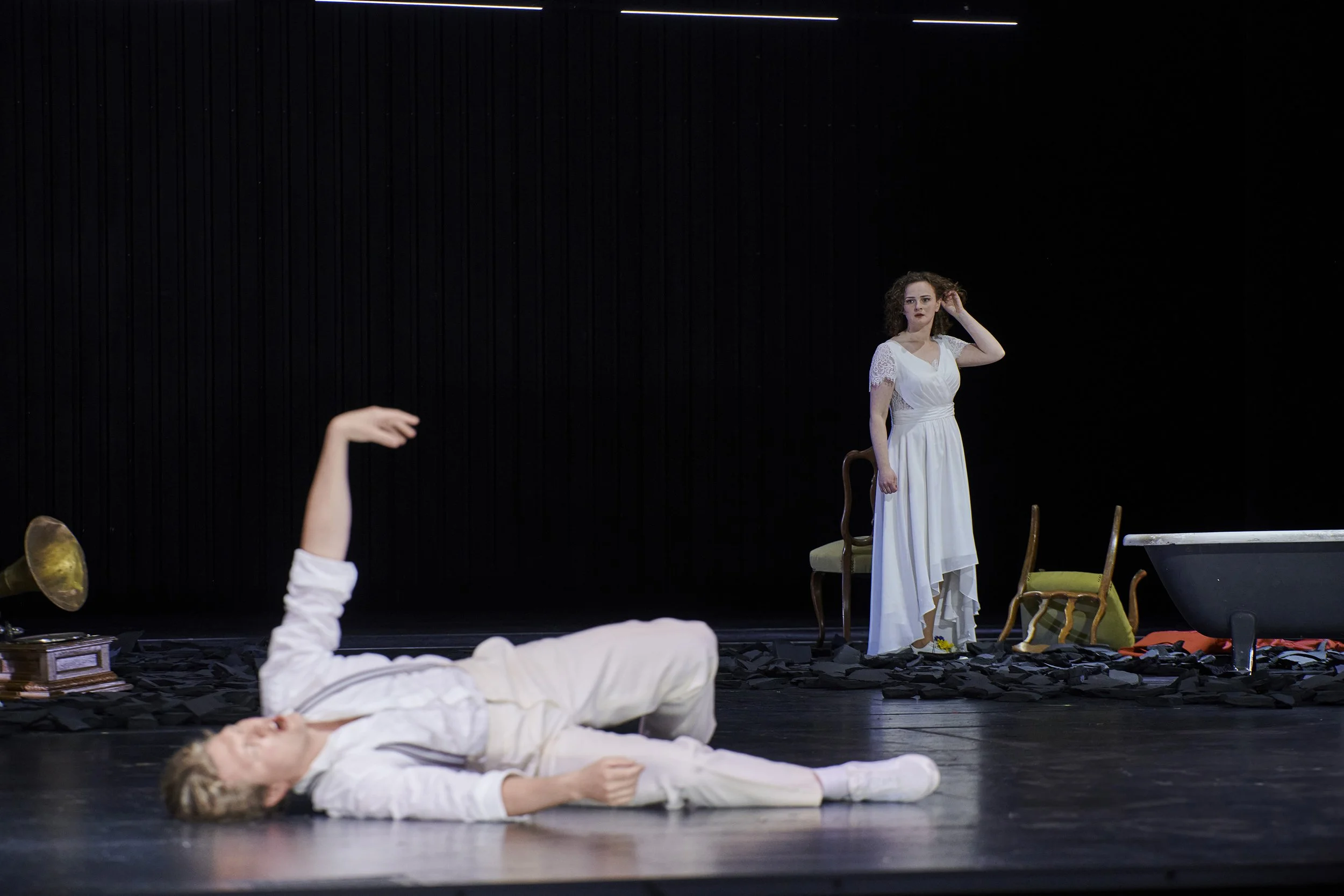
“A grand bourgeois living room. A woman sits there, bored, while next door in the smoking room two men converse animatedly—obviously the Commendatore and Don Ottavio. One may assume that the conditions of a marriage are being negotiated. The woman is not asked. She looks in astonishment at a man in the costume of an eighteenth-century cavalier. But fascination quickly turns into naked horror: Donna Anna is raped on the table. Don Giovanni breaks into this world like an anachronism, a demon from the past among all the people whom Emine Güner has dressed in contemporary clothes at the Dortmund Opera. At times it seems as if the opera’s hero remains invisible to them; at other times they react to him as if to an apparition. For Ilaria Lanzino, this contrast is one of the means by which she strips Don Giovanni, in her Dortmund production, of concrete individuality. He becomes a concept made flesh, a non-person—a metaphor for evil appearing in the guise of boundless masculinity.(…) This is no longer about morality, propriety, or social honor. Lanzino exposes how this concept, inherited from the past—of ruthless, violent, yet driven transgression—damages women across three generations. She remains close to the piece and close to the music. And she reveals what superficial interpretations focused on eroticism or sexuality fail to grasp: in Mozart and Lorenzo da Ponte, Don Giovanni is not merely a virile seducer. He is the embodiment of a principle, an adversary of all humanity. Without morality: the end of a metaphorical figure. In the final scene, Lanzino does not resort to the obvious solution of letting the power of female solidarity—Anna, Elvira, and Zerlina—triumph over the drunken male crowd gathered for the final banquet. Instead, the voice of the Commendatore sounds from a gigantic Medusa head, whose snake hair encircles Don Giovanni and makes him disappear. The solution requires the open perspective of myth; in the concrete world, Leporello and Donna Elvira—two battered victims of Don Giovanni—find each other as a couple. Like Roland Schwab in his profound Berlin production, Ilaria Lanzino also ends the opera, in the manner of the nineteenth-century Romantics, without the final sextet. The end of a metaphorical figure eludes moral judgment. (…) A richly detailed portrayal of the characters.”
Revier Passagen
“Under the direction of Ilaria Lanzino, the story is brought to the stage with a fresh eye and great imagination. (…) deeply impressive (…) Everyone gets the chance to shine and gives the opera a very distinctive charm through their interpretation of the demanding roles. (…) The production is marked by its timelessness. It is entertaining, but also thought-provoking. (…) A perfect opera evening.”
Time4theatre
“Lanzino presents a unique interpretation of the three female roles, assigning them to three different generations. (…)
An impressive staging (…) The director’s concept largely succeeds.”
OMM
“Modern accents and timeless themes. (…) A particular highlight of the production was the ending (…) Don Giovanni, who remained defiant and unmoved until the very end, was ultimately cast into hell.”
Ars-Tremonia
“Don Giovanni forever: In Dortmund, Ilaria Lanzino’s Mozart production presents Don Giovanni as a visitor from another time. (…) Lanzino makes it clear that Don Giovanni and his ‘Viva la libertà’ are, in reality, both a longed-for and feared projection of a (perhaps utopian) sexual freedom beyond rigid norms of various kinds.”
NMZ
“Ambitious, feminist (…) and the audience loved it.”
Concerti
Stage direction: Ilaria Lanzino
Stage design: Frank Philipp Schlössmann
Costume design: Emine Güner
Fotos: Björn Hickmann